Published March 24, 2025
In an era marked by economic uncertainty, rising urbanization, and evolving security threats, professional security services are no longer a luxury — they are a necessity. Whether protecting businesses, residential communities, construction sites, or high-profile individuals, trained security personnel play a critical role in maintaining safety, order, and peace of mind.
Companies like TM4 understand that modern security is about much more than simply placing a guard at a gate. It is about prevention, preparedness, visibility, and rapid response. In today’s environment, a proactive and professional security presence can mean the difference between prevention and costly loss.
The Shift from Reactive to Proactive Security
Traditionally, security services were reactive. Guards were present mainly to respond to incidents after they occurred. However, modern security strategy emphasizes deterrence and risk prevention.
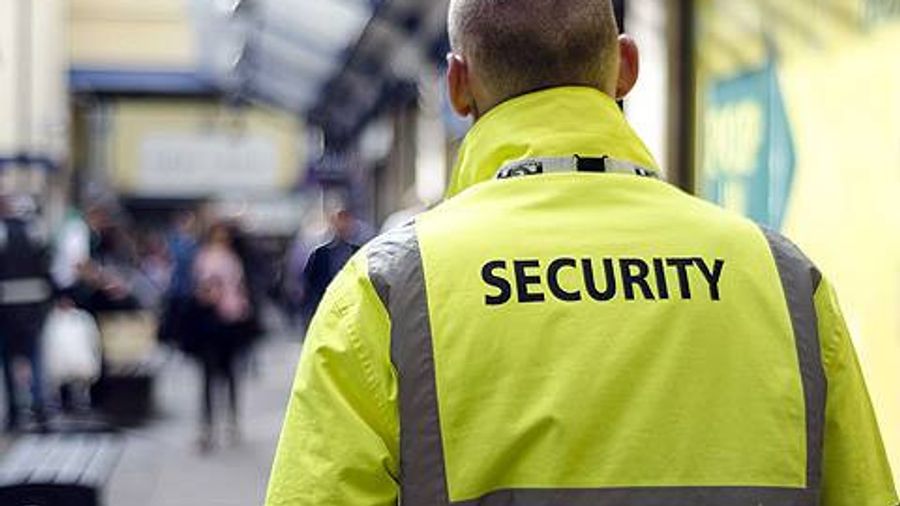
A visible, uniformed security officer immediately reduces the likelihood of theft, vandalism, trespassing, and workplace violence. Criminal behavior often relies on opportunity. When professional security personnel are present, trained, and alert, that opportunity is significantly reduced.
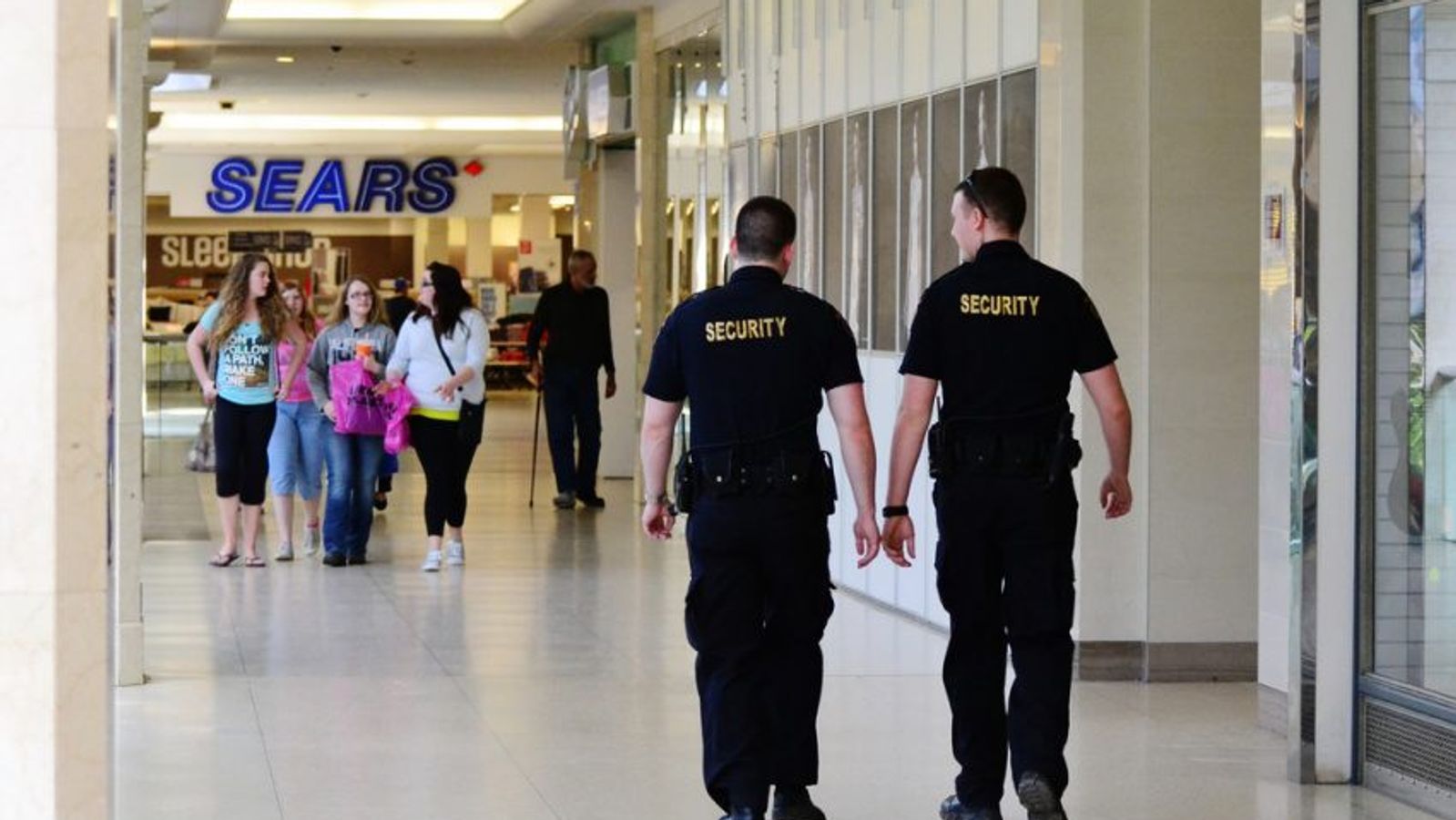
Proactive security also includes regular patrols, access control management, incident reporting systems, and risk assessments. By identifying vulnerabilities early — such as poorly lit areas, unsecured entry points, or procedural gaps — security teams can eliminate risks before they escalate.
The Human Element in Security
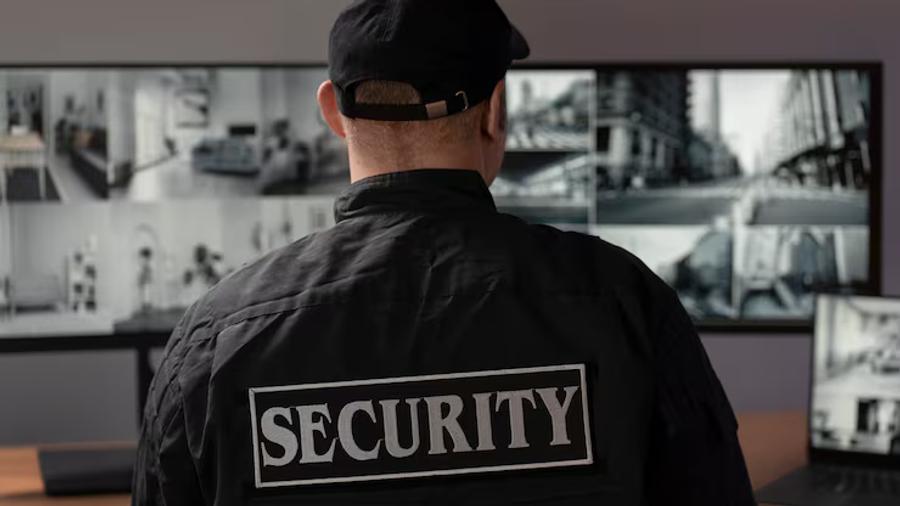
Technology plays an important role in modern security, including CCTV systems, alarm monitoring, biometric access control, and AI-based surveillance tools. However, technology alone is not enough.
The human element remains irreplaceable.
Professional security officers provide situational awareness, judgment, and immediate decision-making that technology cannot replicate. They can de-escalate conflicts, manage crowds, assist visitors, and coordinate with emergency services when necessary.
Trained personnel are also equipped to handle sensitive situations with professionalism and discretion. In environments such as corporate offices, residential communities, or VIP events, security staff must balance firmness with courtesy. This requires proper training, communication skills, and ethical conduct — qualities that define reputable security providers.
Protecting Businesses from Financial Loss
Security incidents can have significant financial consequences. Theft, vandalism, internal fraud, and operational disruptions can result in thousands — or even millions — in losses.
Beyond direct losses, businesses may face reputational damage. Customers and partners expect a safe environment. A single major security incident can erode trust and harm brand credibility.
Professional security services help mitigate these risks. By maintaining strict access control, monitoring premises, and ensuring compliance with safety protocols, security teams protect not only physical assets but also the company’s reputation.
For industries such as retail, logistics, construction, and manufacturing, this protection is particularly critical. Construction sites, for example, are common targets for equipment theft. Retail stores face shoplifting and organized retail crime. Warehouses must safeguard inventory against both external and internal threats.
A professional security presence significantly reduces these vulnerabilities.
Enhancing Community and Workplace Safety
Security services are not only about preventing crime; they also contribute to a broader sense of safety and well-being.
In residential communities, security personnel create a structured and controlled environment. Residents feel more comfortable knowing that trained professionals are monitoring entry points and patrolling the area. This improves quality of life and increases property value.
In workplaces, security officers contribute to a secure and productive environment. Employees perform better when they feel safe. Clear visitor management systems, emergency response procedures, and trained guards reduce anxiety and promote operational stability.
Moreover, security personnel are often the first responders in emergencies. Whether facing a medical emergency, fire outbreak, or security breach, a trained guard can initiate immediate action while coordinating with emergency services.
The Importance of Training and Professional Standards
Not all security services are equal. The effectiveness of a security program depends largely on the quality of its personnel.
Professional security companies invest in rigorous training programs that include:
- Conflict de-escalation
- Emergency response procedures
- First aid and basic medical training
- Legal awareness and ethical standards
- Customer service skills
Ongoing training ensures that guards remain updated on evolving threats and best practices. It also reinforces discipline, accountability, and professionalism.
A reputable security provider conducts thorough background checks, performance evaluations, and supervision to maintain high standards. Reliability and integrity are foundational pillars of effective security operations.
Security as a Long-Term Investment
Many organizations view security as an expense. In reality, it is a long-term investment in stability and growth.
Effective security reduces risk exposure, protects assets, builds trust, and ensures business continuity. It demonstrates responsibility toward employees, customers, and stakeholders.
As threats continue to evolve, the need for professional, structured, and adaptive security services will only grow. Companies that prioritize safety today position themselves for resilience tomorrow.
In an unpredictable world, professional security is not simply about guarding property — it is about safeguarding people, reputation, and future success.
More updates
Latest news from TM4.