Published February 11, 2026
In today’s complex risk environment, effective protection requires more than a single layer of defense. Organizations must safeguard their people, property, information, and operations against a wide range of threats. This is where physical and technical security come together to create a comprehensive and resilient protection framework.
Modern security providers such as TM4 understand that true security is achieved through integration. Physical presence and advanced technology must work in harmony to deliver reliable, proactive, and adaptive protection.
Understanding Physical Security
Physical security refers to the tangible measures implemented to protect assets and individuals from unauthorized access, damage, or harm. These measures are designed to deter, detect, delay, and respond to threats.
Key elements of physical security include:
- Security guards and on-site personnel
- Controlled entry and exit points
- Perimeter fencing and barriers
- Security lighting
- Locking mechanisms and secure doors
- Access control checkpoints
The goal of physical security is straightforward: prevent unauthorized individuals from gaining access and ensure rapid response if an incident occurs.
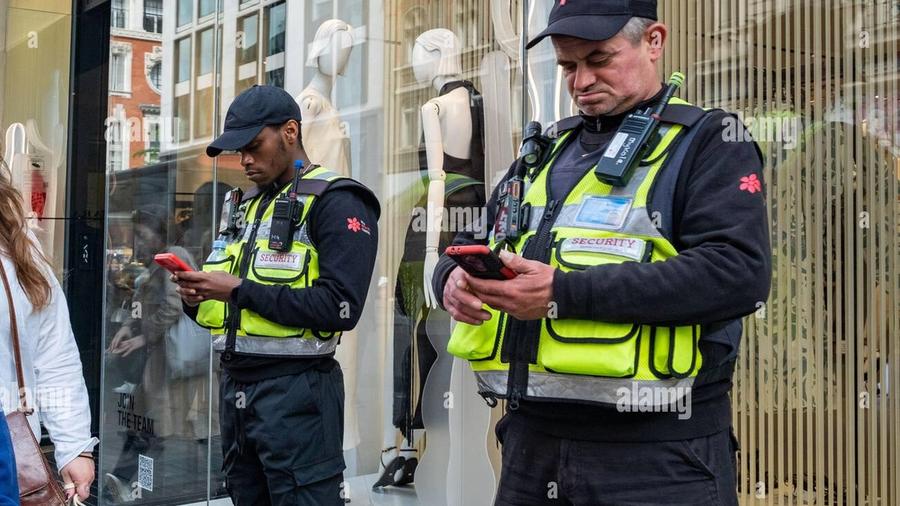
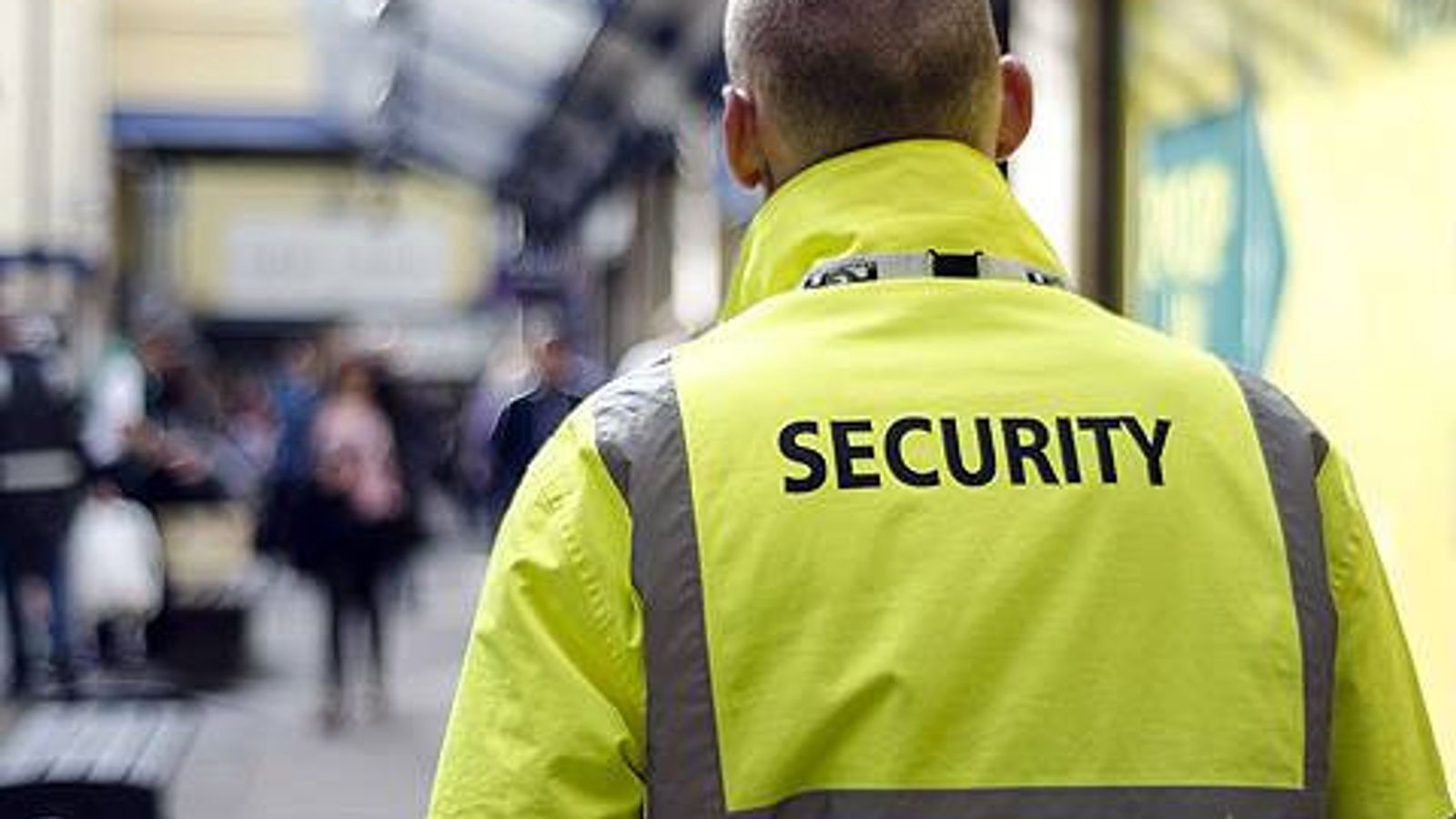
Trained security personnel remain a critical component of this strategy. Their presence provides deterrence, situational awareness, and immediate decision-making capabilities that technology alone cannot replace.
The Role of Technical Security
Technical security enhances and supports physical measures through the use of technology. It provides monitoring, automation, data collection, and analytical capabilities that strengthen overall security effectiveness.
Common technical security solutions include:
- CCTV surveillance systems
- Intruder detection and alarm systems
- Biometric access control
- Motion sensors
- Video analytics software
- Remote monitoring platforms
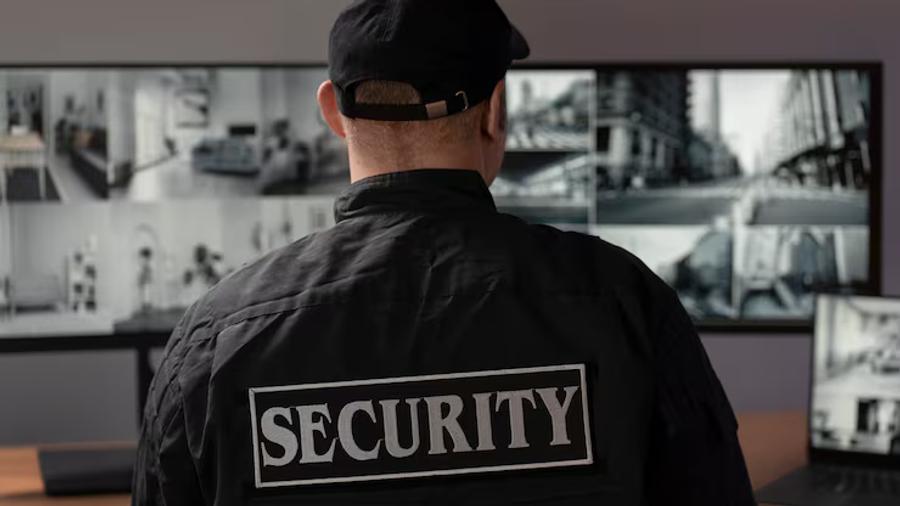
These systems allow organizations to monitor activities in real time, review recorded footage, and detect unusual behavior automatically.
Technical security provides extended coverage across large areas and enables continuous monitoring even when physical personnel are not directly present at every location.
The Power of Integration
Physical and technical security are most effective when integrated into a unified strategy. When these two components operate independently, gaps may emerge. When combined, they reinforce one another.
For example:
- CCTV cameras identify suspicious activity, while security officers investigate and intervene.
- Access control systems log entry attempts, while guards verify credentials and manage visitors.
- Alarm systems trigger alerts, while mobile patrol teams respond immediately.
This layered approach is often referred to as “defense in depth.” Each layer supports the others, reducing the likelihood of successful breaches.
Integration also improves efficiency. Security teams can allocate personnel based on real-time data from technical systems, ensuring resources are deployed strategically rather than uniformly.
Protecting Critical Assets
Every organization has assets that require protection — whether physical equipment, sensitive documents, digital infrastructure, or personnel.
Warehouses must secure inventory. Office buildings must protect confidential information. Industrial facilities must safeguard machinery and operational continuity.
Physical barriers prevent unauthorized access, while technical systems detect and document any attempt to breach security.
In high-risk environments, integrated security systems can prevent significant financial losses, operational downtime, and reputational damage.
Access Control and Perimeter Security
Access control is a central component of both physical and technical security strategies. Managing who enters, when they enter, and where they can go reduces internal and external risks.
Modern access control systems may include keycards, biometric scanners, or digital credentials. These tools create detailed logs of activity and reduce reliance on traditional keys, which can be lost or duplicated.
Perimeter security further strengthens protection. Fencing, barriers, lighting, and surveillance cameras establish clear boundaries and discourage unauthorized entry.
When perimeter systems are supported by on-site personnel and alarm monitoring, the result is a strong first line of defense.
Adapting to Emerging Threats
Security threats continue to evolve. Organizations must adapt to new risks, including coordinated theft, insider threats, and increasingly sophisticated intrusion attempts.
Technical advancements such as video analytics and remote monitoring enhance early detection. Meanwhile, trained personnel provide critical judgment and on-the-ground response.
Regular security audits and vulnerability assessments ensure that both physical and technical measures remain effective and aligned with current risk levels.
Security is not static — it requires continuous evaluation and improvement.
Compliance and Risk Management
Many industries must comply with strict security and safety regulations. Integrated physical and technical security systems support compliance by documenting access control, maintaining surveillance records, and demonstrating proactive risk management.
In the event of an incident, recorded data and detailed reporting provide valuable evidence and transparency.
Beyond regulatory compliance, strong security measures build trust with clients, employees, and stakeholders.
Conclusion
Physical and technical security are not competing solutions — they are complementary pillars of a modern protection strategy.
By combining trained personnel, controlled access, surveillance technology, and integrated monitoring systems, organizations create a layered defense capable of deterring, detecting, and responding to threats effectively.
In an unpredictable world, security must be both visible and intelligent. A balanced approach to physical and technical security ensures that protection is not only strong but also adaptable, strategic, and future-ready.
More updates
Latest news from TM4.